Expert Dishwasher Repair in Walpole, MA
Appliance Repair for Homes & Businesses in Walpole, East Walpole, South Walpole, Sharon, Medfield, Massachusetts and Nearby Areas
Dishwasher Repair in Walpole, Massachusetts, Appliance Repair Pros
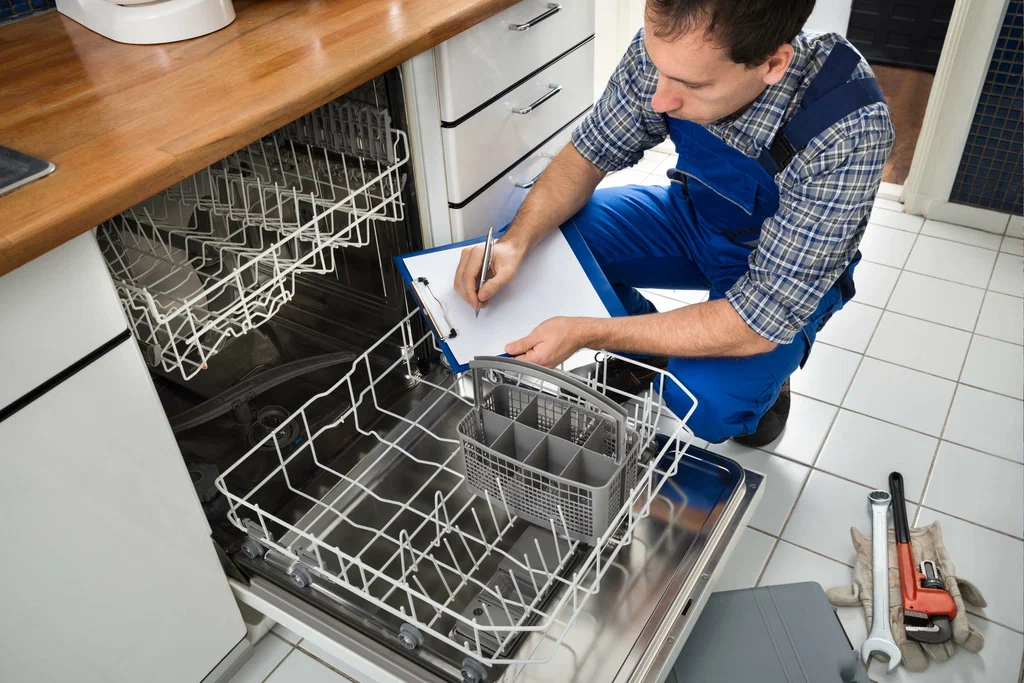
A broken dishwasher quickly turns a convenient evening routine into a messy, time consuming chore. Appliance Repair Pros provides expert dishwasher repair services for homeowners throughout Walpole, East Walpole, Medfield, and Sharon. We help families who are dealing with units that are leaking water, failing to drain, leaving dishes dirty, or making loud grinding noises. Whether you are in a modern condo in South Walpole or managing the plumbing quirks of an older colonial home near the town center, our technicians understand the specific challenges your kitchen faces. We prioritize meticulous diagnostics to find the exact mechanical or electronic failure, ensuring we solve the root problem rather than just swapping parts. Our team treats your home with respect, keeping the workspace clean and offering a dependable schedule that restores order to your kitchen. Reach out to us for assistance.
Dishwasher Repair Services in Walpole
Modern dishwashers are sophisticated appliances that rely on a complex interaction of water pressure, heat, and sensors to sanitize your dishes. When one component fails, the entire cycle can be compromised. We work on a wide variety of configurations, ensuring that no matter how your kitchen is designed, we can access and repair the unit efficiently.
Dishwasher systems we work on
- Standard built in undercounter dishwashers
- Integrated panel ready units that match cabinetry
- Double drawer dishwashers
- Portable or rolling dishwashers
- Stainless steel and plastic tub models
- High efficiency and smart dishwashers
- Sanitize cycle and steam units
- Hard food disposer models
What makes dishwasher repair tricky
- Electronic Control Boards: Modern units are driven by computers that can be sensitive to power surges.
- Hidden Leaks: Water can leak slowly underneath the unit, causing floor damage before it is noticed.
- Sensor Calibration: Soil sensors and temperature probes must communicate perfectly for the cycle to advance.
- Filtration Systems: Multi stage filters can become clogged with debris that is difficult to reach.
- Drainage Height: Improper air gap or drain loop installation can cause backflow issues.
- Door Tension: Springs and cables must be balanced for the door to seal safely.
Common Dishwasher Problems We Fix
Dishwasher is not draining
One of the most common issues we see in Walpole homes is standing water in the bottom of the tub after a cycle. This creates a breeding ground for bacteria and odors. It often results from a blockage in the drain hose, a failure in the drain pump, or an issue with the air gap on the sink.
Likely causes
- Food particles clogging the filter or sump assembly
- A kinked or obstructed drain hose
- Broken impeller blades inside the drain pump
- Failure of the drain solenoid valve
- blockage in the garbage disposal knockout plug (new installations)
- Check valve stuck closed
How we diagnose it
We start by manually inspecting the filtration system and the drain hose connection. We listen to the pump during the drain cycle to hear for humming (jammed) or silence (failed). We also test the voltage reaching the pump to rule out a control board issue.
What you can do right now
Check the filter at the bottom of the tub and remove any large debris. If you have a garbage disposal, run it to ensure the drain path is clear.
Dishes coming out dirty or gritty
It is frustrating to run a full cycle only to find food stuck to plates or a gritty residue on glasses. This often indicates poor water circulation or low water temperature. In areas like Medfield and Sharon, hard water deposits can also clog spray arm jets, reducing cleaning power.
Likely causes
- Clogged spray arm holes preventing water flow
- Failed circulation pump motor
- Broken or loose spray arm support
- Detergent dispenser door not opening
- Inlet valve not letting enough water in
- Water temperature not reaching 120 degrees Fahrenheit
How we diagnose it
We check the water level inside the tub to ensure the unit is filling correctly. We inspect the spray arms for cracks or clogs and verify that the circulation pump is generating enough pressure to reach the top rack.
What you can do right now
Remove the spray arms if possible and use a toothpick to clear out the small holes. Ensure you are using high quality detergent and a rinse aid.
Dishwasher leaking onto the floor
Water leaks can cause significant damage to hardwood floors and subflooring in older Walpole homes. Leaks can occur at the front door, from the bottom of the unit, or at the water supply connection. Identifying the source quickly is critical to preventing mold and structural damage.
Likely causes
- Worn or torn door gasket (seal)
- Loose hose clamps on the drain or supply line
- Cracked water inlet valve body
- Leaking pump seal
- Unit is not level, causing water to slosh over the front lip
- Using too much detergent (oversudsing)
How we diagnose it
We remove the kickplate (toe panel) and run a test cycle while observing the underside of the unit with a flashlight. We look for moisture trails on hoses, the pump housing, and the inlet valve. We also check the door alignment and seal integrity.
What you can do right now
Check the rubber seal around the door for rips or food debris. Ensure the unit is level front to back and side to side.
Dishwasher not starting or no power
A dishwasher that appears dead can be caused by simple electrical issues or complex board failures. Sometimes the user interface lights up but the cycle won’t begin, which points to a safety interlock issue.
Likely causes
- Tripped circuit breaker or blown fuse
- Defective door latch or switch
- Failed thermal fuse (safety cutoff)
- Broken control board or timer
- loose wiring connection in the junction box
- Child lock feature accidentally engaged
How we diagnose it
We test the outlet or hardwire connection for proper voltage. We use a multimeter to check the continuity of the door switches and the thermal fuse. If those pass, we inspect the main control board for signs of burning or shorts.
What you can do right now
Check your home’s breaker panel to ensure the dishwasher circuit hasn’t tripped. Try pressing and holding the start button or lock button to reset the control panel.
Dishes not drying properly
If your dishes are soaking wet at the end of the cycle, the drying system is failing. Modern energy efficient units rely on a combination of heat and condensation drying, and failures here can lead to spotting and mold growth.
Likely causes
- Burned out heating element
- Failed vent fan or blower assembly
- Empty rinse aid reservoir
- Thermostat or high limit switch failure
- Control board not sending power to the heater
How we diagnose it
We test the heating element for continuity (a complete electrical path). We also check the operation of the vent fan and the wax motor that opens the vent. We verify that the final rinse temperature is hot enough to promote evaporation.
What you can do right now
Ensure your rinse aid dispenser is full, as this breaks water tension and aids significantly in drying.
Loud or strange noises during operation
While dishwashers are never silent, loud grinding, thumping, or squealing noises indicate a mechanical problem. Ignoring these sounds can lead to total motor failure or leaks.
Likely causes
- Debris (bones, glass) stuck in the chopper blade or pump
- Worn out wash pump bearings
- Drain pump failure
- Spray arm hitting dishes or the rack
- Loose mounting brackets allowing the unit to vibrate
How we diagnose it
We listen to when the noise occurs (during drain, fill, or wash) to isolate the component. We often disassemble the pump housing to check for foreign objects that may be rattling around.
What you can do right now
Check that the spray arms can spin freely without hitting tall plates. Inspect the bottom of the tub for loose utensils.
Dishwasher not filling with water
If the dishwasher runs dry, the motor can burn out and the dishes will remain dirty. Fills are controlled by a timer or flow meter, and safety floats prevent overfilling.
Likely causes
- Failed water inlet valve
- Stuck float switch thinking the tub is already full
- Clogged inlet screen on the valve
- Shut off valve under the sink is closed
- Door switch failure (unit won’t fill if it thinks the door is open)
How we diagnose it
We test the inlet valve solenoid for resistance. We manually move the float switch to ensure it clicks and travels freely. We also check the water supply line for kinks.
What you can do right now
Make sure the overflow float (usually a mushroom shaped plastic piece in the front corner) moves up and down freely and isn’t stuck in the “up” position.
Door latch failure
The door latch is a high stress mechanical part that often wears out over time. If the latch is broken, the dishwasher will not start for safety reasons, or it may pop open mid cycle causing a flood.
Likely causes
- Misaligned door hinges
- Broken plastic catch on the latch assembly
- Failed microswitch inside the latch
- Loose strike plate on the tub frame
How we diagnose it
We inspect the alignment of the door and the strike plate. We test the electrical switches inside the latch mechanism to ensure they close the circuit when the door is shut.
What you can do right now
Check for any obstructions around the gasket that might be preventing the door from closing fully.
Safety Notes for Dishwasher Issues
Dishwashers combine electricity and water, creating a unique set of safety risks. When a malfunction occurs, it is important to prioritize the safety of your home and family. If you notice water pooling on the floor, exercise extreme caution as slip hazards are immediate, and water can travel through subflooring to ceilings below, particularly in multi story homes in Sharon and Medfield.
Electrical fires are rare but possible if a component shorts out due to a leak. If you smell burning plastic or see smoke, stop the unit immediately. Do not attempt to pull the dishwasher out from the cabinet while it is plugged in or while the water is on, as this can rupture the supply line or expose live wires.
- If you see active leaking: Turn off the water supply valve under the sink immediately to stop the flow.
- If you see smoke or smell burning: Turn off the dishwasher at the circuit breaker panel rather than touching the unit.
- If the unit will not drain: Do not add more water or chemical drain cleaners, as these can damage the rubber hoses and pump seals.
- If you feel a shock when touching the door: This indicates a serious grounding issue. Shut off power at the breaker and do not touch the unit.
Brands We Service for Dishwasher Repair in Walpole
Different manufacturers use distinct engineering philosophies for their cleaning systems. A repair strategy that works for a domestic brand might not apply to a European model. We understand the nuances of these different systems.
Whirlpool family and similar designs (Whirlpool, Maytag, KitchenAid, Amana)
These are some of the most common units found in East Walpole homes. They are generally robust, utilizing a reliable chopper blade system to grind up food particles. However, the diverter motors that switch water between racks are a common wear point.
- Common issues we see: Leaking pump seals, broken rack adjusters, control board failures, food chopper blockages.
Correct diagnosis is key here because a noisy pump might just be debris in the chopper rather than a failed motor, saving you the cost of a major part.
GE family (GE, Hotpoint, and related lines)
GE dishwashers are known for their strong heating elements and hard food disposers. Newer models often feature bottle jets and advanced silverware baskets. The electronics in these units can be sensitive to moisture.
- Common issues we see: Heating element burnout, electronic control board resets, door latch failures, inlet valve leaks.
We pay special attention to the service mode on GE units to verify sensor data before assuming a control board is bad.
Samsung and LG
These brands integrate high tech features like linear wash systems and storm wash zones. They rely heavily on sensors and digital displays. Troubleshooting these requires specific knowledge of their error code logic and electronic components.
- Common issues we see: LE (leak) error codes, drainage issues due to sensor sensitivity, main PCB failures, waterwall mechanism jams.
These units often have leak sensors in the base pan that will shut the unit down if even a few drops of water are detected, requiring precise leak tracing.
Frigidaire and Electrolux
These units are often found in new construction and renovated condos. They feature orbit clean spray arms and simple, effective designs. However, the wash motors and drain pumps can be susceptible to failure if filters are not kept clean.
- Common issues we see: Loud wash motors, draining failures, touchpad responsiveness issues, upper rack rail failures.
We often find that drainage issues in these models are linked to the check valve, a small but critical part that prevents dirty water from returning to the tub.
Bosch and Thermador
European models like Bosch are engineered for silence and lack a heating element, relying on condensation drying. They use a complex system of water reservoirs and flow meters. They are excellent machines but require a technician who understands their unique AquaStop leak protection system.
- Common issues we see: E15 error code (leak detected), not drying (often user error regarding rinse aid), inlet valve filters clogging.
Because these units do not have a hard food disposer at the bottom, keeping the manual filter clean is essential for performance. We check this first on every service call.
Common Dishwasher Warning Signs and What They Usually Mean
Modern dishwashers often display error codes or specific light patterns to signal a problem. While these codes are helpful, they are just a starting point for diagnosis. A “drain error” code tells you the water isn’t leaving, but it doesn’t tell you if the pump is broken, the hose is crushed, or the sensor is dirty.
Blinking “Clean” Light: This often indicates a temperature issue. The machine did not detect the water getting hot enough, so it stopped the cycle to prevent sanitization failure. This usually points to a heater or thermostat issue.
Blinking “Drain” or “Cancel” Light: The unit has timed out while trying to empty the tub. This is a primary indicator of a clog or pump failure.
“Leak” or “Water” Icon: Many modern units have a pan underneath the main mechanicals. If water drips into this pan, a float rises and triggers this error, shutting off the inlet valve immediately.
Blinking “Start” or Unresponsive Panel: This frequently points to a door latch that is not engaging the microswitch, or a control panel (user interface) that has stuck buttons.
Maintenance Tips for Dishwasher Owners in Walpole
Living in the Walpole area, we deal with varying water conditions that can affect appliance performance. Regular maintenance helps prevent expensive breakdowns and ensures your dishes come out sparkling.
Clean the filter weekly: Most modern dishwashers have a manual filter at the bottom of the tub. Twist it out and rinse it under hot water to remove grease and food particles. A clogged filter is the number one cause of drain pump failures.
Use Rinse Aid: This is not optional for modern Energy Star dishwashers. It breaks the surface tension of the water, allowing it to sheet off dishes. Without it, your dishes will be wet and spotted, regardless of the drying cycle used.
Run hot water at the sink: Before starting the dishwasher, run the kitchen faucet until the water is hot. This ensures the first fill of the dishwasher is hot, which helps dissolve detergent immediately and improves cleaning.
Inspect the spray arms: Periodically check the holes in the spray arms. Debris like seeds or glass shards can get stuck inside, blocking water flow. Use a toothpick to clear them.
Combat hard water: If you live in a part of Walpole or Medfield with harder water, mineral buildup can clog valves. Run a dishwasher cleaner cycle with a citric acid based cleaner once a month to break down lime deposits.
Don’t pre rinse too much: Modern enzymatic detergents need food soil to work against. Scrape off the big chunks, but leave the sauce. If the dishes are too clean, the detergent can etch your glassware.
Service Area for Dishwasher Repair in and Around Walpole, Massachusetts
We are proud to be a local business serving our neighbors in Norfolk County. Our technicians are familiar with the local roads and neighborhoods, from the historic properties near Bird Park to the residential streets of Sharon. We provide consistent coverage to the following communities:
- Walpole
- East Walpole
- South Walpole
- Medfield
- Sharon
- Norwood
- Norfolk
- Westwood
- Foxborough
Zip codes we serve: 02081, 02032, 02071, 02052, 02067, 02062, 02056, 02035, 02090
Frequently Asked Questions
Why is my dishwasher leaking water?
Leaks are usually caused by a few common culprits: a worn door gasket that no longer seals, a loose hose connection, or a cracked water inlet valve. Sometimes, it is as simple as the unit not being level or using too much detergent, which creates excessive suds that push water out of the door. We trace the leak to the source to ensure a permanent fix.
Is it worth repairing an older dishwasher?
This depends on the age and the nature of the problem. If the unit is under 7 years old, repair is almost always the better option. If the unit is over 10 years old and requires a major component like a motor or main control board, replacement might be more cost effective. We provide an honest assessment of the machine’s condition so you can make the right choice.
Why are my glasses coming out cloudy?
Cloudiness is usually caused by one of two things: hard water mineral deposits or permanent etching. If the cloudiness wipes off with vinegar, it is hard water buildup, and you need to use a rinse aid or a water softener. If it does not wipe off, it is etching caused by soft water and too much detergent. In Walpole, we often see hard water issues causing this film.
How long should a dishwasher cycle take?
Modern energy efficient dishwashers run much longer than older models, often taking 2 to 3 hours for a normal cycle. This is normal behavior as they use less water and energy by soaking dishes longer. However, if your cycle is taking 4 hours or more, it may indicate a problem with the heating element or a sensor that is failing to advance the timer.
What is the E15 error code on my Bosch dishwasher?
The E15 code on a Bosch unit indicates that the safety switch in the base pan has detected water. This means there is an internal leak. The unit will automatically run the drain pump continuously to prevent flooding. This requires a technician to pull the unit out, find the source of the leak, and dry out the sensor.
Do you repair all dishwasher brands?
Yes, we repair most major residential dishwasher brands including Whirlpool, Maytag, KitchenAid, GE, Samsung, LG, Bosch, and Frigidaire. We carry common parts for these brands in our vehicles to speed up the repair process.
What should I do before the technician arrives?
Please clear the area in front of the dishwasher so we have room to work. If there are clean dishes inside, putting them away is helpful. If the dishwasher is full of water, do not try to bail it out manually unless necessary, as seeing the water level can help us diagnose the problem. Please keep pets secured in another room.
Why is my dishwasher making a grinding noise?
A grinding noise usually means there is a foreign object, like a piece of glass, a bone, or a fruit pit, stuck in the chopper blade or the drain pump impeller. It can also indicate that the wash motor bearings are failing. It is best to stop using the unit until it is inspected to prevent further damage.
Is there a dishwasher repair service near me?
Yes, we are a local company based in the Walpole area, serving the immediate surrounding towns like Medfield and Sharon. Being local allows us to be responsive and familiar with the specific needs of homes in our community.
Why won’t my dishwasher drain?
The most common reasons for draining issues are clogged filters, a blocked drain hose, or a failed drain pump. If you have recently installed a new garbage disposal, the knockout plug may not have been removed, which blocks the dishwasher drain. We check the entire drain path to ensure water flows freely.
Conclusion
At Appliance Repair Pros, we know that a working dishwasher is essential for a clean and organized home. We are dedicated to providing thorough, safety conscious repair services to homeowners in Walpole, Medfield, Sharon, and the surrounding areas. Our approach combines technical expertise with a commitment to finding the root cause of every issue. Whether you are dealing with a mysterious leak or a control board failure, our team is ready to help. Contact us today.